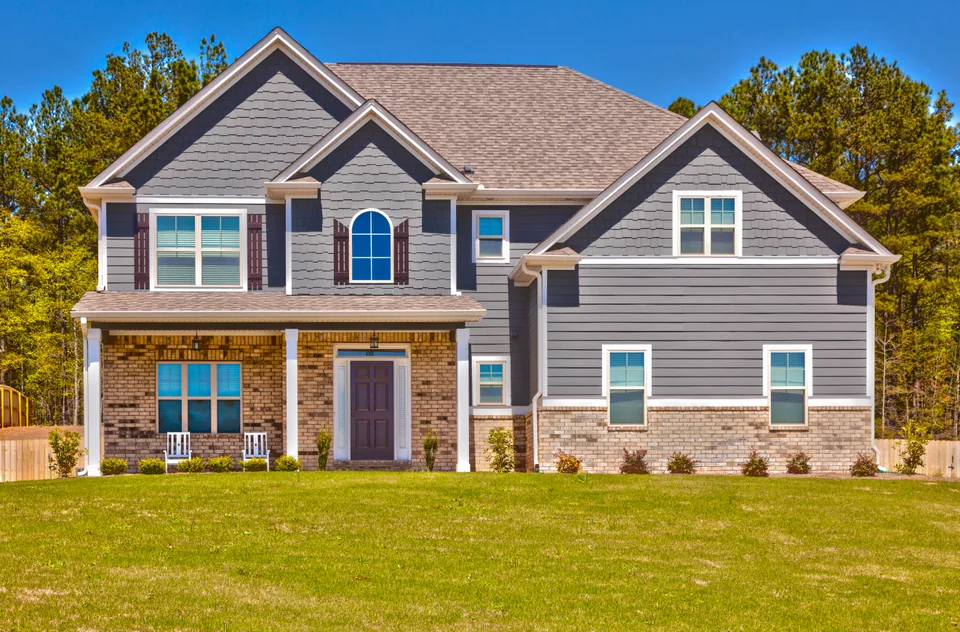
A strong home search around Columbia starts before the first showing. The goal is not simply to find a house that photographs well. It is to understand how the property, location, ownership costs, and your longer-term plans work together.
I like to separate that decision into two tracks: the life you want to live now and the property you will be responsible for after closing. Keeping both tracks visible makes it easier to compare homes without letting one impressive feature take over the whole decision.
Start with the week, not the map pin
Two homes can be a similar distance from downtown Columbia and still create very different daily routines. Before touring, list the trips that happen most often: work, school, childcare, medical appointments, groceries, recreation, and the people you visit regularly. Then test the routes during the times you would normally use them.
Do not rely on one estimated drive time. A useful location comparison includes:
- The ordinary weekday route, not only a quiet weekend drive.
- The options available when traffic, weather, or road work changes the preferred route.
- How comfortably the area supports the errands and activities that matter to you.
- Whether the setting and pace still fit the plan you expect to have in several years.
Give the property systems their own review
A beautiful kitchen does not tell you the age or condition of the roof, heating and cooling equipment, plumbing, electrical system, drainage, or crawl space. Ask what the seller knows, review available disclosures, and keep a written list of items that need professional inspection or documentation.
The Consumer Financial Protection Bureau explains why buyers should arrange an independent home inspection and understand what the inspector will and will not evaluate. Its home inspection guidance is a useful starting point before choosing an inspector or deciding how to respond to findings.
An inspection is not a score that says a home passed or failed. It is information. The useful question is whether the condition, likely maintenance, and potential repairs fit your budget, timing, and comfort level.
Compare the lot as carefully as the house
Walk the full property when access allows. Notice how water appears to move, where the ground slopes, what sits near the property line, and which outdoor areas will require regular care. Ask about utilities, septic or sewer service when relevant, easements, shared access, and any neighborhood or association rules that may affect your plans.
If a property includes additions, workshops, finished bonus areas, or major renovations, ask for available permits, invoices, warranties, and other records. Those documents do not replace professional advice, but they can help you identify the right questions before a deadline becomes urgent.
Put the future plan next to the offer price
The right price is only one part of the decision. Consider the cash you may want to keep available after closing, the improvements you would likely make in the first year, and the possibility that a future move could come earlier than expected. A home that leaves room in the plan may serve you better than one that uses every available dollar.
Before making an offer, write a short summary for each serious option: what supports your goals, what still needs verification, what ownership may require, and what would cause you to walk away. That summary keeps the decision grounded when the market moves quickly.
A clearer Columbia search
You do not need to know every answer before you begin. You do need a process for separating confirmed facts from assumptions. I can help you compare communities, organize property questions, coordinate the next professional review, and keep the decision connected to the way you actually want to live.